
WWF is an independent global conservation organization, formed in 1961 and committed to building a future where people and nature thrive.
Our mission is to stop the degradation of the planet’s natural environment and to build a future in which humans live in harmony with nature.
Discover Landscape Finance
Scaling Capital for Nature and People
The Landscape Finance Approach (LFA) is a holistic framework and systematic process for mobilizing and aligning public, private, and philanthropic finance for the benefit of people, nature and the economy. The approach identifies landscapes with strong impact and financing potential, translates them into investable opportunities combining “Financing Green” interventions that increase investment in nature with “Greening Finance” interventions that integrate environmental and social considerations into financial decision-making, ensuring these strategies reinforce one another to achieve climate, biodiversity, and community outcomes.
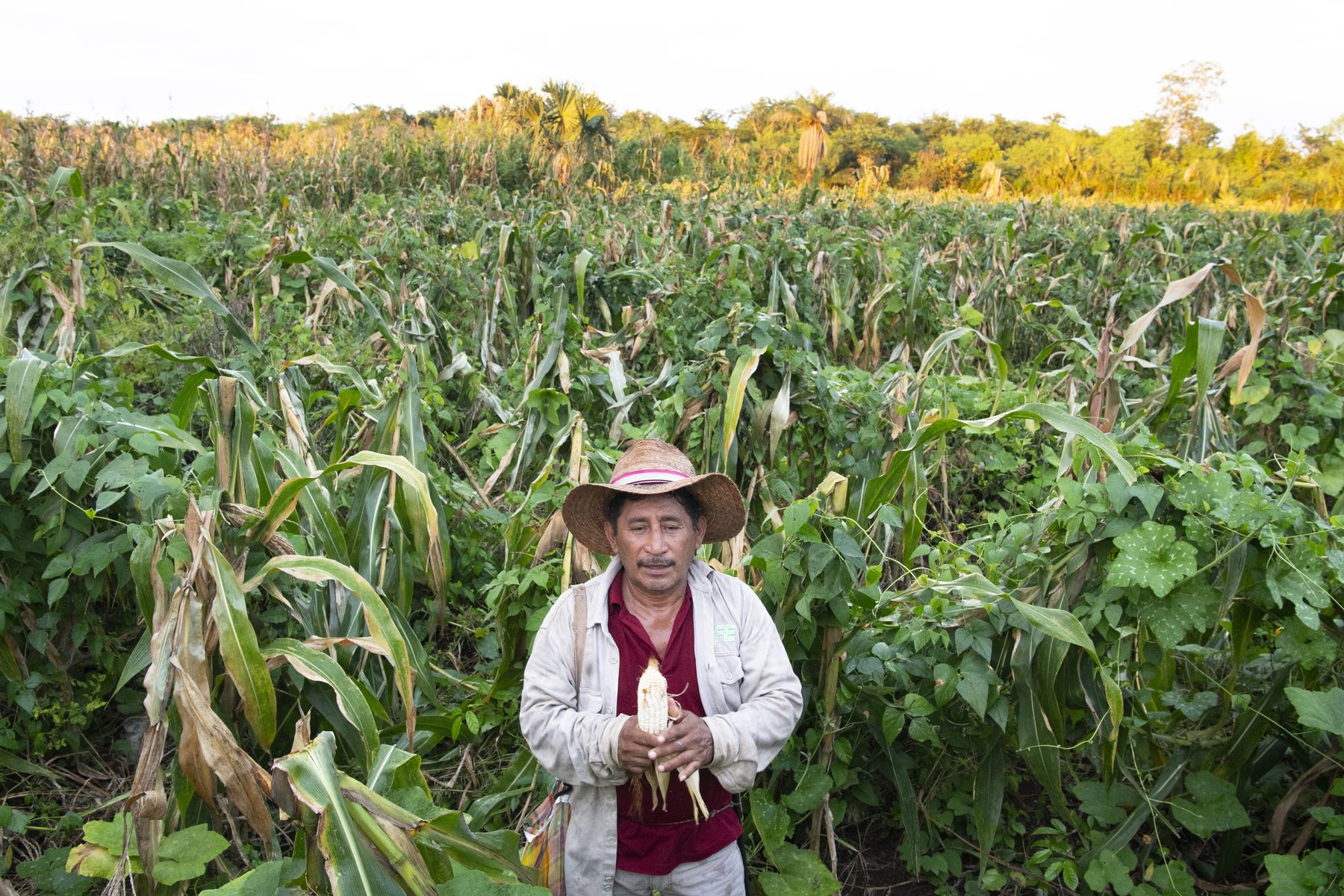
Understand the Landscape Finance Approach for Agri-Food Systems
Agrifood systems are currently one of the greatest pressures on nature, but they also offer a critical opportunity for conservation. Nature-positive agriculture is an approach to farming that produces food while protecting, managing, and restoring nature, enabling ecosystems, biodiversity, and soils to recover and continue to support people and production in the long term.
Learn moreThe Reality in Numbers
The facts driving the need for a sustainable financial shift.
Resource library
The Playbook, the LFA framework, ready-to-use templates and a plain-language glossary — versioned, dated, open.
Contact Us
Have a question, a landscape to contribute, or a partner to connect? We read every message.
WWF International – Food Practice and Finance Practice Leads